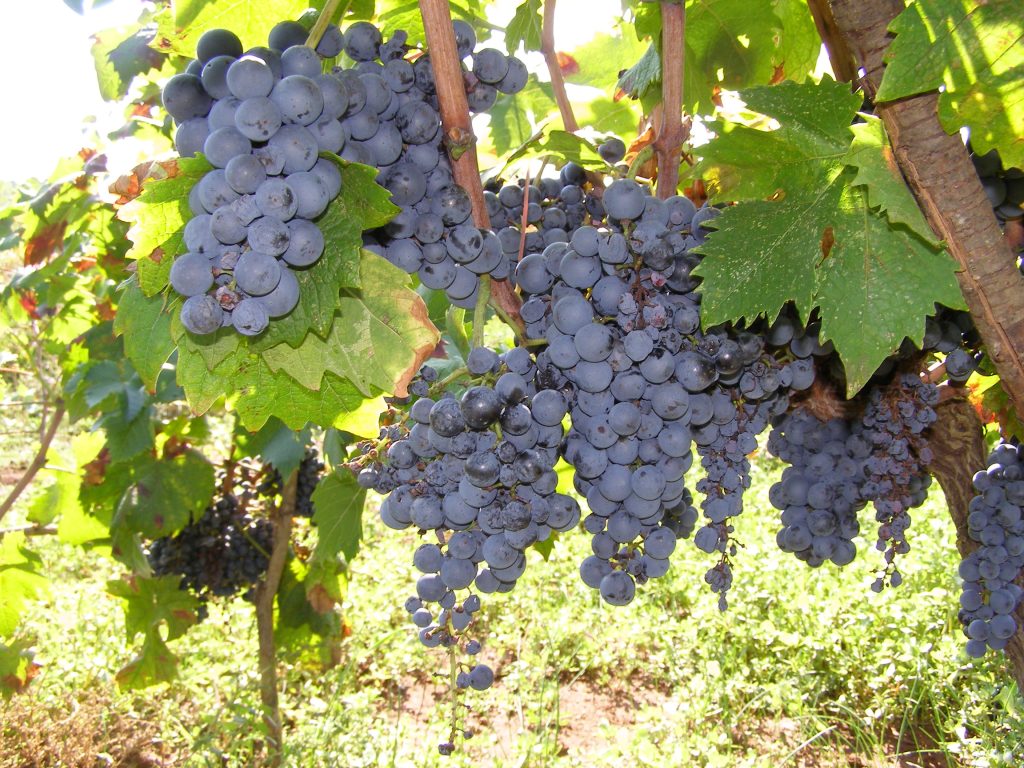
A CALL FOR COLLABORATION: in search of old vineyards and forgotten grape varieties

As part of our project, we are collecting grapevine samples with the aim of preserving and studying the rich diversity of indigenous and old grape varieties. Many valuable vines still grow in old vineyards, beside houses and on abandoned vineyards, often as the only remaining specimens of varieties passed down through generations.

We invite everyone interested – grape growers, owners of old vineyards, winemakers and all lovers of the vine – to get in touch with us if you:

  • own old or abandoned vineyards,
  • grow unusual, rare or locally known varieties,
  • know of individual old vines whose origin or name you are unsure of,
  • or simply wish to share your knowledge and stories about the vines of your area.

Every piece of information can be valuable and contribute to preserving the genetic and cultural heritage of our vineyards. The collected material is used solely for research purposes, along with the recording of location data and, with your consent, information on the origin and name of the vine.

If you think something interesting grows in your area – get in touch with us!

📍 Contact: project leader Goran Zdunić, e-mail: goran.zdunic@krs.hr
Field research continues – Trogir, Imotski, Korčula, Hvar, Vis and Zadar

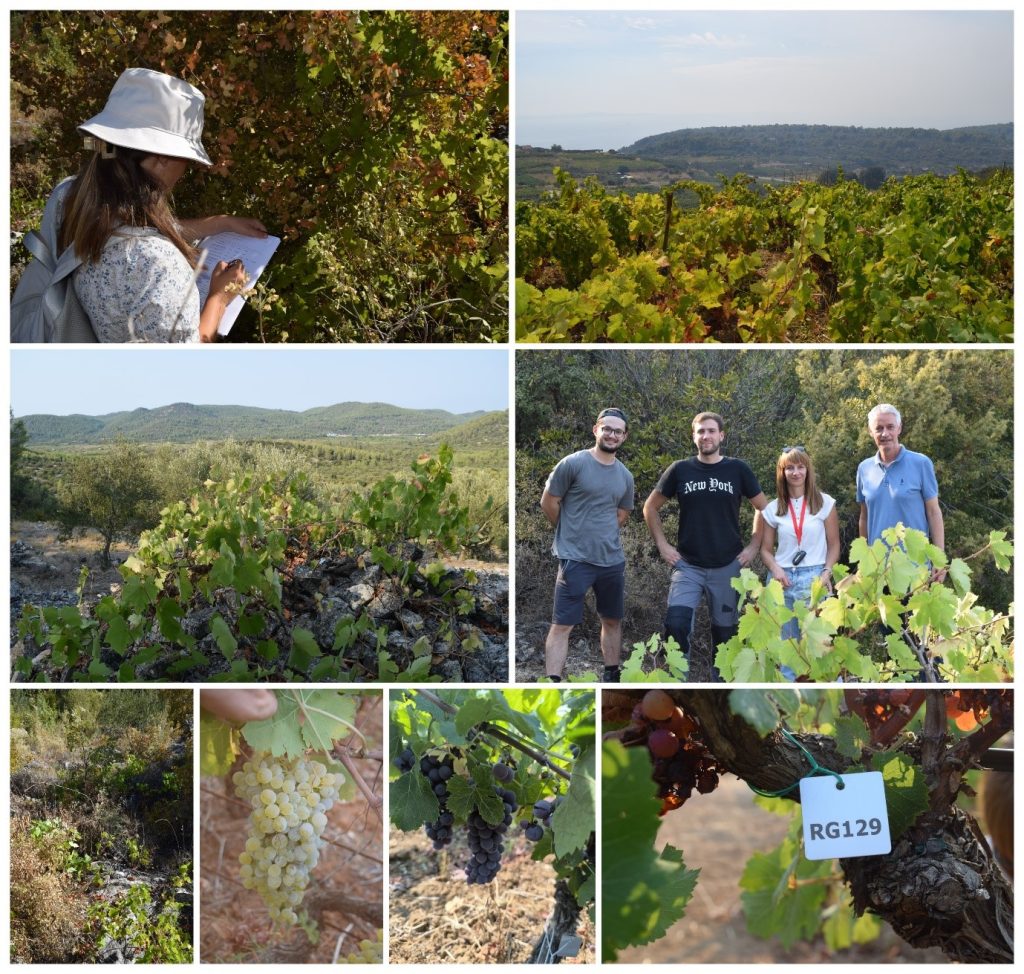
In September 2026, members of the project team collected grapevine samples from old vineyards in the areas of Trogir, Imotski and Zadar, as well as on the islands of Korčula, Hvar and Vis.

The old vineyards, or rather individual valuable vines, were identified primarily through oral tradition and existing acquaintances and collaborations in the field. Some collaborators made an additional effort to find out where particularly interesting or rare specimens could be found in their own regions, drawing on the local knowledge and experience of residents, vineyard owners and winemakers. In this way, vines that are often passed down from generation to generation — and which represent a valuable source for further research — were located.

All collected material was documented in a manner that enables its subsequent morphological characterisation and genomic analysis, together with the recording of accompanying data on the location, the vineyard owner and the potential name of each specimen found.

Field research – Zrmanja

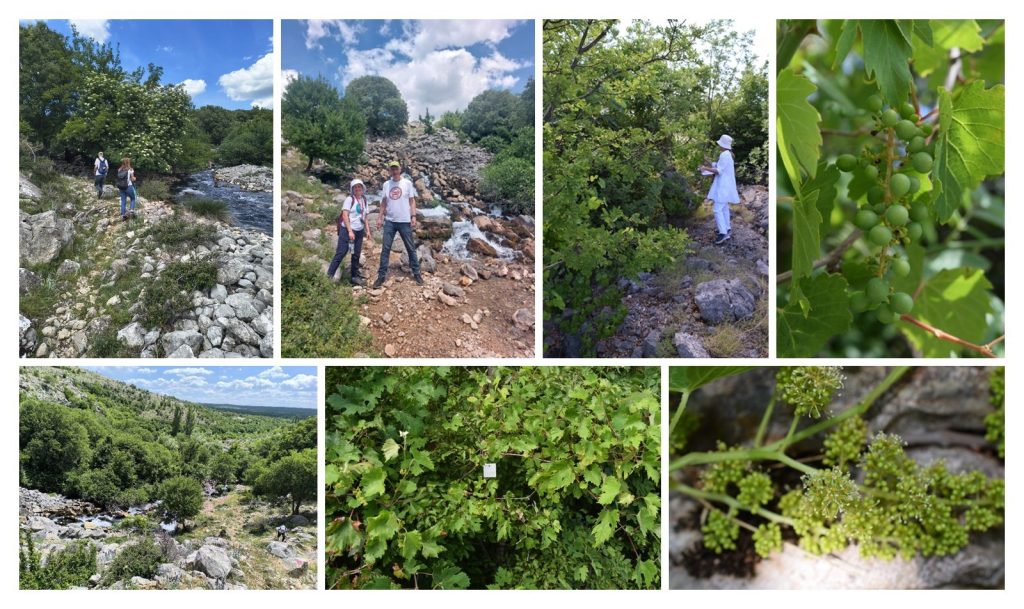
On two occasions during May and June, members of the project team carried out field research in the area of the Krupa River (a tributary of the Zrmanja) with the aim of locating and collecting samples of wild grapevine (Vitis vinifera subsp. sylvestris).

During the fieldwork, the team members located sites of wild grapevine and collected the plant material needed for further analyses. Each individual plant was labelled with a tag bearing its corresponding code, enabling reliable tracking and unambiguous identification of each plant. All collected material was documented in a way that allows for its subsequent morphological characterisation and genomic analysis, together with the recording of the associated data on the location and habitat of each plant found.

New equipment acquired – Phenotyping camera

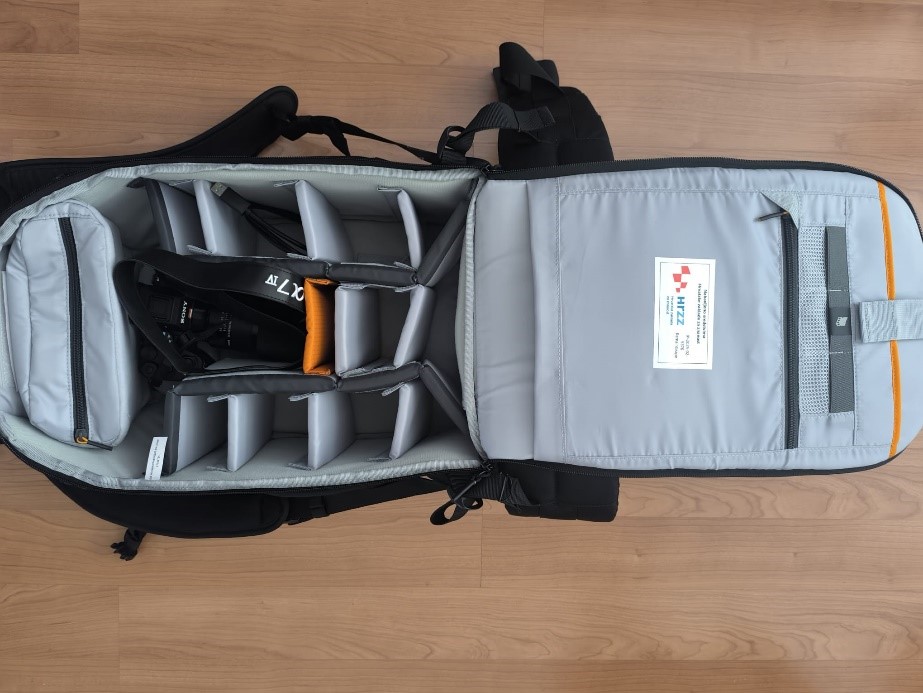
The camera with a macro lens is a professional high-resolution digital imaging system used within the project for the phenotyping of grapevine. Its full-frame sensor enables the capture of detailed, high-resolution photographs, ensuring a faithful and precise record of the morphological features of the plant material. Combined with a macro lens that allows fine details to be captured at a 1:1 ratio, the system is particularly suitable for documenting the ampelographic and morphological characteristics of leaves, clusters, berries and other parts of the plant. The system is complemented by additional equipment that ensures consistent and standardised shooting conditions: a flash for even and controlled illumination, and a tripod for stability and repeatability of the images.

This equipment enables the collection of high-quality visual documentation necessary for the morphological characterisation and comparison of endangered Croatian grapevine cultivars and wild grapevine, thereby directly contributing to the achievement of the project’s objectives.

Kick-off meeting of the RemainGrape project team

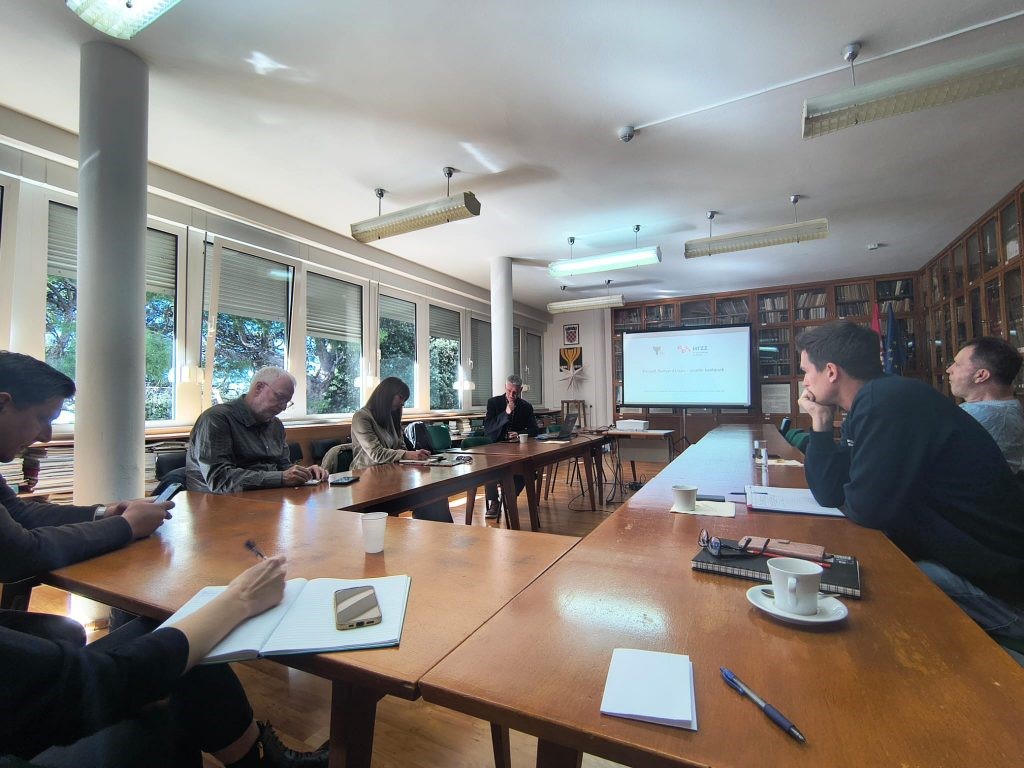
The kick-off meeting of the RemainGrape project collaborators was held on 27 February 2026 in the library of the Institute for Adriatic Crops and Karst Reclamation in Split. The meeting brought together the Croatian members of the project team.

During the meeting, the objectives and main activities of the project were presented, with particular attention given to elaborating the research methodology, the implementation timeline of the individual work packages, and the distribution of tasks among the collaborators. The planned scientific and professional outputs of the project were also discussed, as well as the project’s expected contributions.

The participants also agreed on a preliminary timeline of activities for the first phase of the project and defined the key steps required for a successful start of the research. The meeting concluded with an agreement on further coordination and regular exchange of information among the project team members, in order to ensure the effective implementation of the project and the achievement of its planned objectives.