Presentation of the project results at the XIV International Symposium on Grapevine Breeding and Genetics (GBG 2026)

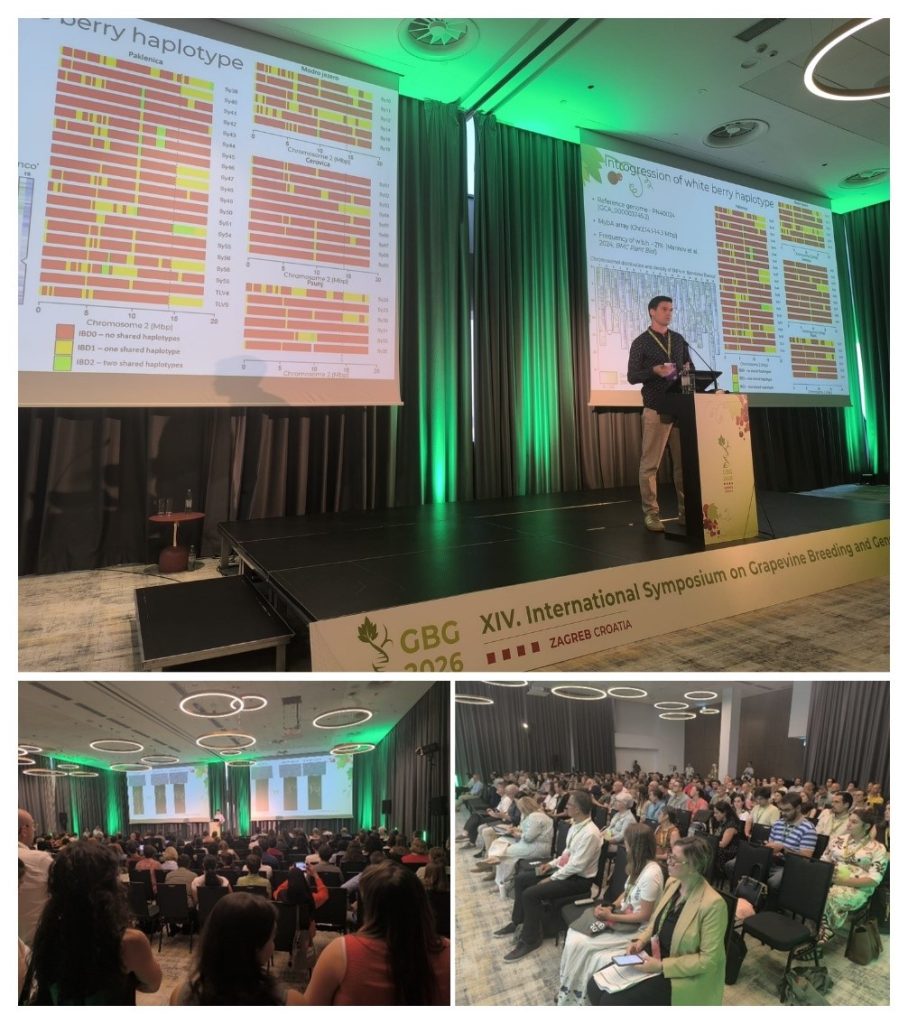
Members of the project team took part in the international conference XIV International Symposium on Grapevine Breeding and Genetics, held from 28 June to 3 July 2026 in Zagreb, Croatia. The GBG congress is one of the leading scientific gatherings dedicated to grapevine breeding and genetics, bringing together researchers from all over the world.

The results of the research carried out within the RemainGrape project were presented through one oral presentation (Marinov et al.) and two poster presentations (Zdunić et al.; Maletić et al.).

Presented papers:

  • Marinov, L., Lukšić, K., Mucalo, A., Ozretić Zoković, M., Zdunić, G. (2026) Sativa introgression in Croatian wild grapevine.
  • Zdunić, G., Lukšić, K., Mucalo, A., Marinov, L., Ozretić Zoković, M. (2026) Evaluation of resistance to powdery mildew (Erysiphe necator) in twelve Croatian grapevine cultivars (Vitis vinifera L.).
  • Maletić, E., Pejić, I., Zdunić, G., Preiner, D., Bubola, M., Karoglan Kontić, J. (2026) Genetic resources as a foundation for more successful viticulture: A case study of indigenous grapevine variety revitalization in Croatia.

By taking part in the symposium, the team members had the opportunity to present the achievements of the project to date, exchange experiences, and establish contacts with the international scientific community in the field of grapevine breeding and genetics.
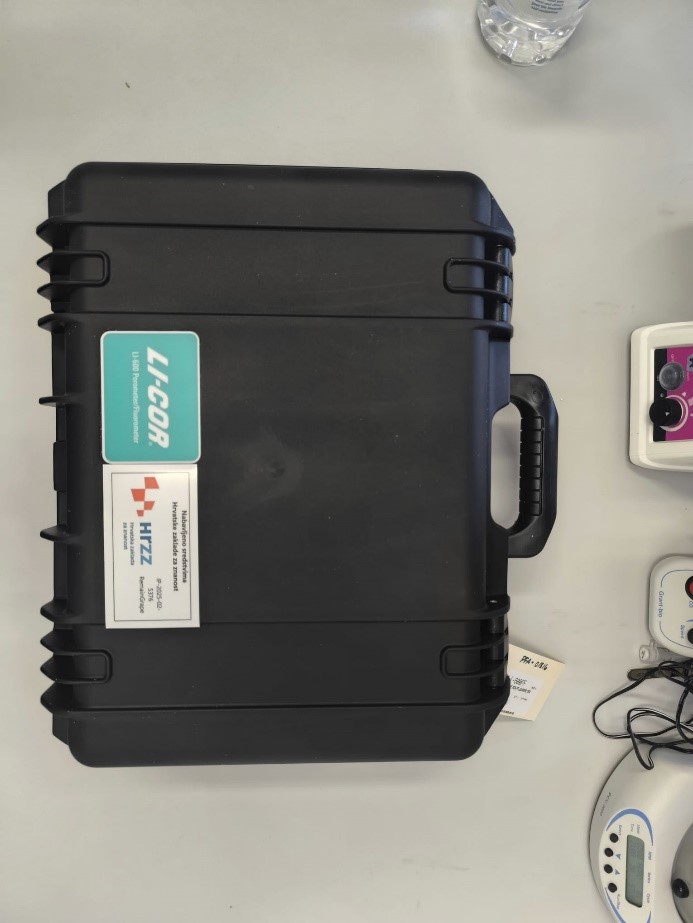
New equipment acquired – Porometer/Fluorometer

Through a simplified (bargain) procurement procedure, the LI-600PF was acquired – a portable device for the simultaneous measurement of stomatal conductance and chlorophyll fluorescence on the same area of a leaf sample, used within the project for the physiological phenotyping of grapevine. This instrument enables the rapid and non-invasive collection of data on the photosynthetic activity and water status of plants, with results for both parameters available in less than 10 seconds per reading.

A built-in PAR (Photosynthetically Active Radiation) sensor records ambient light at each measurement, while an IRT (Infrared Leaf Temperature) sensor measures leaf temperature, providing a more complete insight into the physiological state of the plant. In addition, the device comes with built-in software for configuring settings, calibration and data processing, as well as a built-in barcode reader, allowing simple and reliable labelling and tracking of individual samples.

Field research – Zrmanja

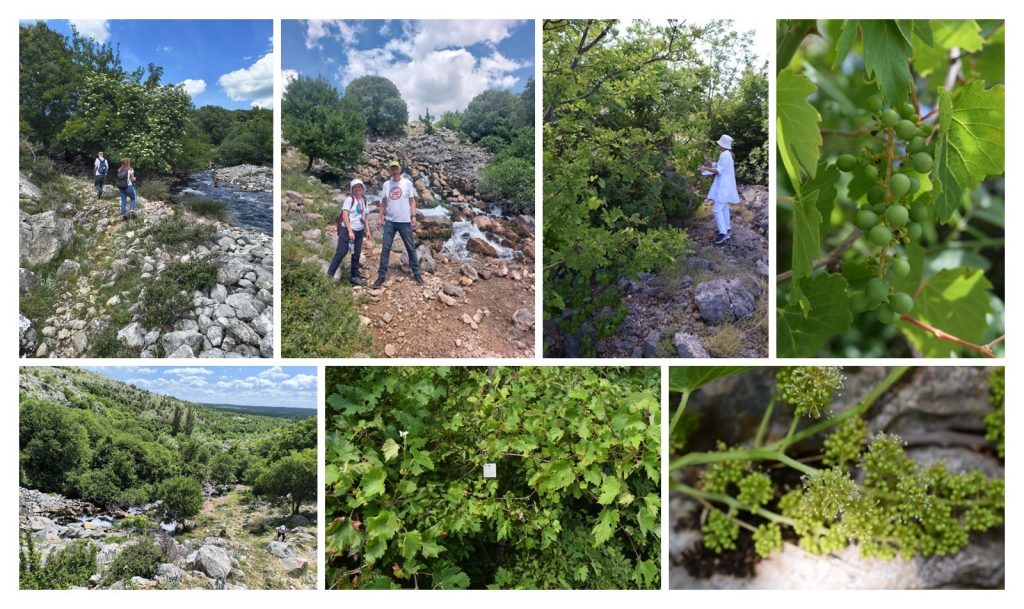
On two occasions during May and June, members of the project team carried out field research in the area of the Krupa River (a tributary of the Zrmanja) with the aim of locating and collecting samples of wild grapevine (Vitis vinifera subsp. sylvestris).

During the fieldwork, the team members located sites of wild grapevine and collected the plant material needed for further analyses. Each individual plant was labelled with a tag bearing its corresponding code, enabling reliable tracking and unambiguous identification of each plant. All collected material was documented in a way that allows for its subsequent morphological characterisation and genomic analysis, together with the recording of the associated data on the location and habitat of each plant found.

New equipment acquired – Phenotyping camera

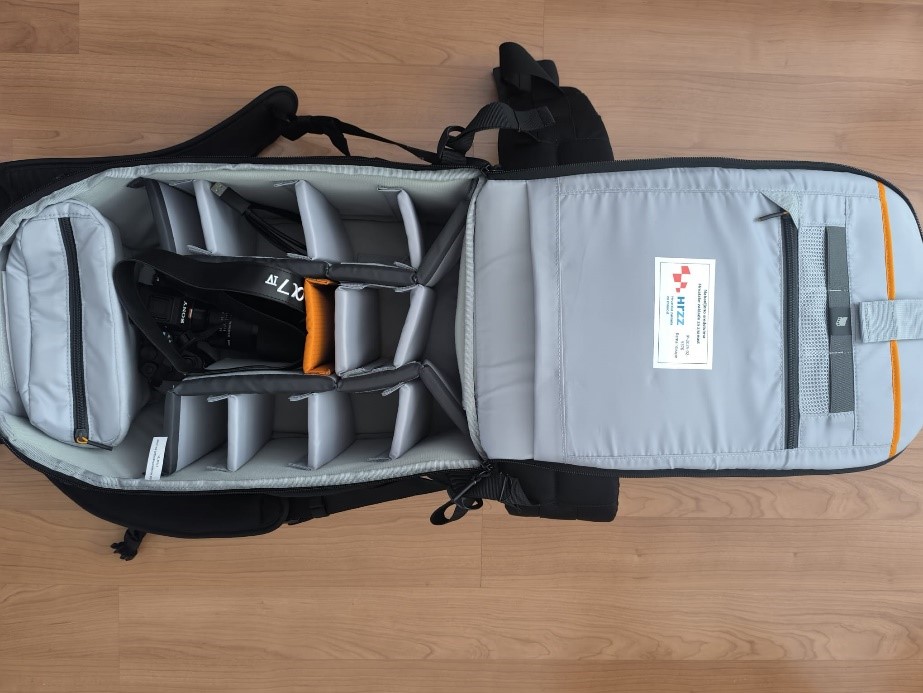
The camera with a macro lens is a professional high-resolution digital imaging system used within the project for the phenotyping of grapevine. Its full-frame sensor enables the capture of detailed, high-resolution photographs, ensuring a faithful and precise record of the morphological features of the plant material. Combined with a macro lens that allows fine details to be captured at a 1:1 ratio, the system is particularly suitable for documenting the ampelographic and morphological characteristics of leaves, clusters, berries and other parts of the plant. The system is complemented by additional equipment that ensures consistent and standardised shooting conditions: a flash for even and controlled illumination, and a tripod for stability and repeatability of the images.

This equipment enables the collection of high-quality visual documentation necessary for the morphological characterisation and comparison of endangered Croatian grapevine cultivars and wild grapevine, thereby directly contributing to the achievement of the project’s objectives.

Kick-off meeting of the RemainGrape project team

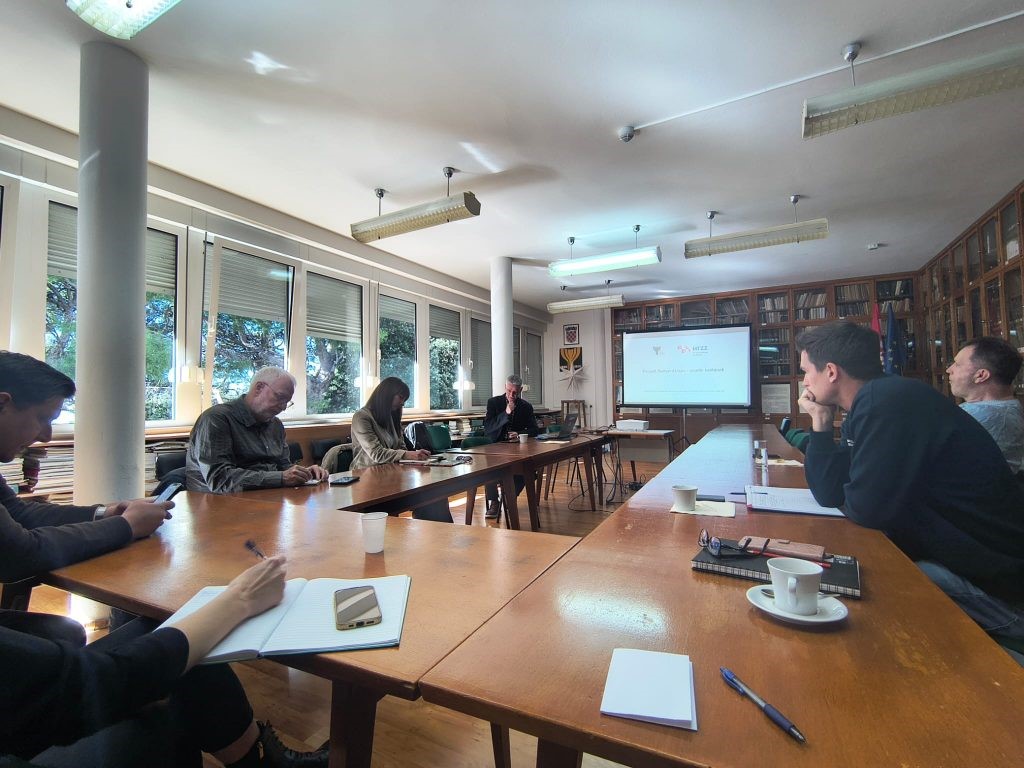
The kick-off meeting of the RemainGrape project collaborators was held on 27 February 2026 in the library of the Institute for Adriatic Crops and Karst Reclamation in Split. The meeting brought together the Croatian members of the project team.

During the meeting, the objectives and main activities of the project were presented, with particular attention given to elaborating the research methodology, the implementation timeline of the individual work packages, and the distribution of tasks among the collaborators. The planned scientific and professional outputs of the project were also discussed, as well as the project’s expected contributions.

The participants also agreed on a preliminary timeline of activities for the first phase of the project and defined the key steps required for a successful start of the research. The meeting concluded with an agreement on further coordination and regular exchange of information among the project team members, in order to ensure the effective implementation of the project and the achievement of its planned objectives.